LED lamps and their possible effects on human health — part I (2019-03-24)
At first sight, blue-light-emitting LED lamps and displays show no direct harmful effect on health…
among the population that can generally be considered healthy, as recently published literature also confirms. The review found, however, that there are gaps in our understanding of the potential health risks of LED lamps, and that certain population groups may be at risk. Exposure to LED lamps and other lights in the late evening, for example, can affect the circadian rhythm (the “daily biological clock”), and may also have specific effects on young children and on older people.
The investigations carried out by the European Commission's Scientific Committee on Health, Environmental and Emerging Risks established, among other things, the following:
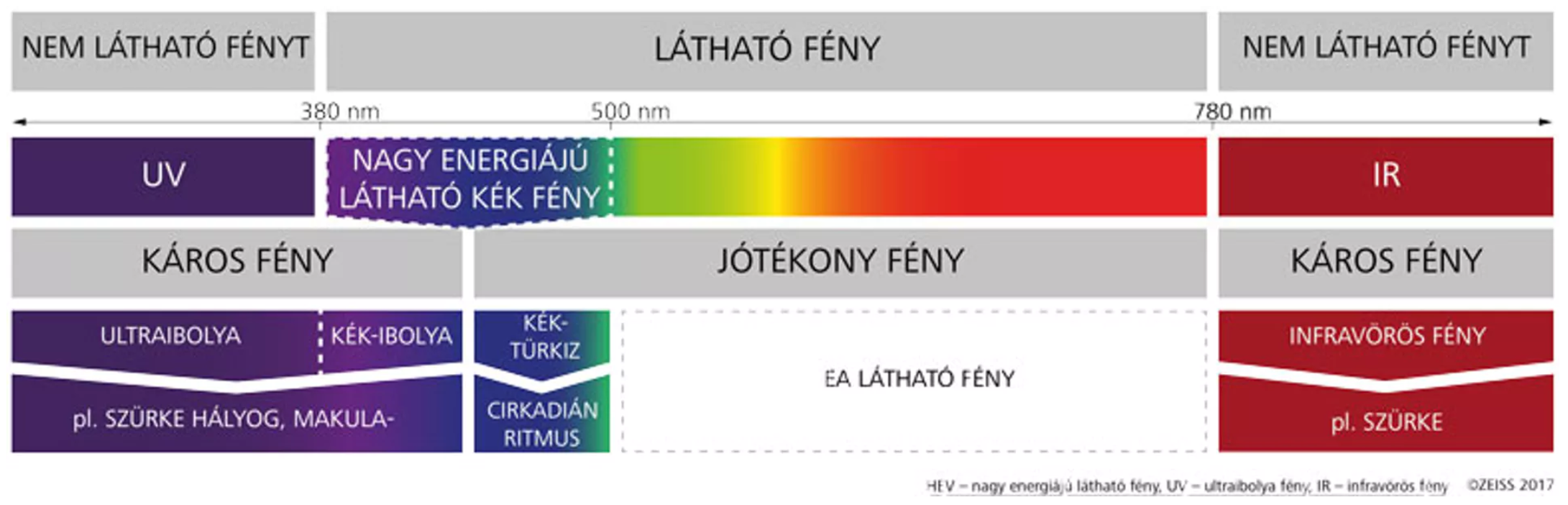
Children show greater sensitivity to blue light, and although the emission is not in itself harmful, blue LED lamps (between 400 nm and 500 nm) can cause photochemical retinopathy, which is a cause for concern particularly in children under the age of three.
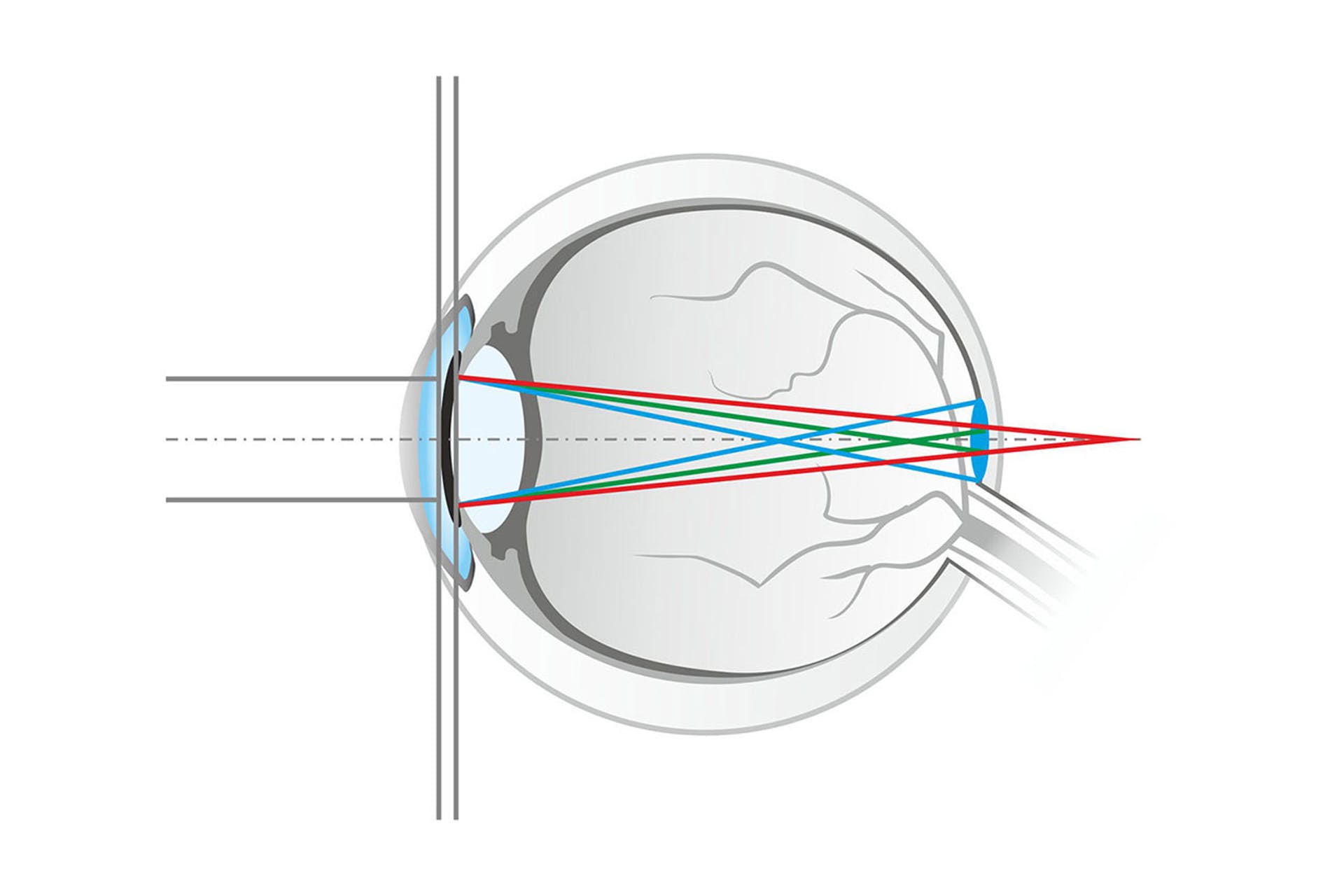
Older people may experience discomfort when exposed to emissions from LED systems, including blue-light LED screens. They may see the destination displays on the front of buses as blurred, for example.
There is currently no reliable information on the dose-response relationship and adverse health effects on the healthy population across all the wavelengths emitted by LED lamps.
Below is a summary together with recommendations for further research. Both should be treated critically, since the purpose of the review was to assess the potential health risks associated with emissions from LED lamps among the population using them.
The eyes and the skin are the organs most exposed to optical radiation; the effects of the solar spectrum, for instance, likewise fall on the eyes and the skin. The type of effect, the injury thresholds and the injury mechanisms differ considerably depending on wavelength. Many variables have to be taken into account when discussing the effect of optical radiation emitted by LED lamps on human health: the spectrum of the LED light source; the irradiance, particularly in the blue part of the spectrum; the duration of exposure; the level of exposure of the eye or skin; the state of health of the eye or skin; and direct viewing without shifting one's gaze, as opposed to active eye movement.
The specific safety requirements and risk assessment methods relating to photobiological hazards are set out in a number of safety standards. To assess the potential health hazards associated with LED lamps, all exposure parameters must be considered: irradiance (the flow of optical radiation reaching the target, which depends on distance), radiance (the flow of radiation leaving the source as a function of the emission angle, independent of the distance from the target), and the duration of exposure.
Throughout the 24 hours of the day people are exposed to optical radiation from a variety of sources, including various LED light sources. For most people natural optical radiation dominates, which means the optical radiation from LED lamps is likely to prove insignificant compared with the effect of natural light outdoors.
The potential health effects of LED lamps on the population:
The literature indicates that the blue light emitted by screens and reaching the human eye amounts to less than 10% of the photochemical blue light hazard limit for the retina, even where the screen is viewed continuously for more than three hours (acute exposure).
As yet there is no study in the literature reporting on the effects of long-term exposure to LED light sources on human health, since the technology has only recently been brought to market for domestic use. As the technology is still developing, continuous monitoring of the scientific literature is essential.
The review concludes that the available scientific research does not demonstrate any harmful effect of LED lamps on the eyes or skin, provided that total exposure remains below the internationally agreed health limits (ICNIRP). Problems of flicker, glare, distraction and dazzle may nevertheless arise.
If you would like to know more about the findings of research into the effects of LED lamps on general human health, including on the eyes and the circadian rhythm, read the second part of this article as well.
#lightingtechnology #lightingmodernisation #lightingdesign #LED