Lighting design in 6 + 1 steps
To achieve the best result in a lighting installation, it is important to avoid the approach whereby
of starting work by choosing the luminaire straight away, before we have even established for ourselves what we expect the lighting system to do. Using a systematic lighting design process helps avoid making this mistake.
6 + 1 key steps to successful lighting design
The main elements of the lighting design process:
1. Assessing the lighting requirements
2. Determining the lighting method
3. Selecting the lighting equipment
4. Lighting design — preparing the lighting plan
5. Choosing the method of lighting control
6. Selecting the right luminaire and light source
+1. Verifying the installation after completion and preparing a report (light measurement)
Let us look at these seven main steps in more detail:
1. Assessing the lighting requirements
The first thing to establish in every case is what the luminaires will be doing on the given project, since these devices are built first and foremost to serve the visual task. There are cases where design also plays a prominent part in the lighting scheme, but if we want good lighting, the appearance and form of the luminaires can only ever be a secondary consideration. The lighting engineer's main job during the design is to satisfy the client's requirements in full — but as a responsible and conscientious professional they must do so without breaching the requirements of the lighting standards in force. The list below sets out the requirements defined by the standards together with the needs most frequently expressed by our clients to date:
- Illuminance level
- Degree of glare
- The atmosphere of the space to be lit
- The particular geometry of the space
- Objects and features to be emphasised
- Objects and features to be concealed
- The direction of the light
- The relationship between artificial and natural light
- The relationship between the style of the space and of the luminaires
- The budget available for the project
2. Determining the lighting method
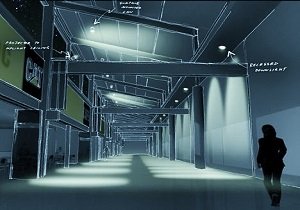
At this stage of the design we examine the options for mounting the luminaires — whether a recessed or a surface-mounted solution is required, for example. It is important to know whether direct or indirect luminaires will be needed for the visual task. And depending on the illuminance level, luminaires with the appropriate optics and light guides must be selected in order to avoid disturbing glare.
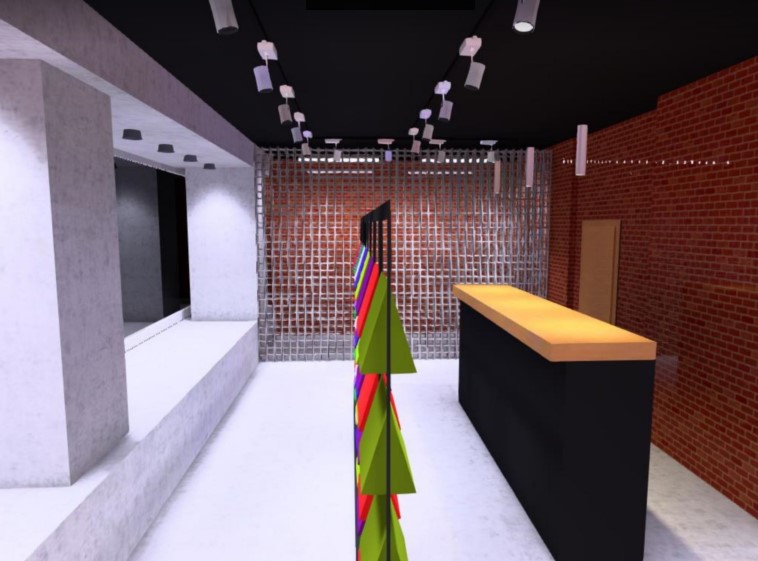
This is also the phase in which to decide how far the project should make use of the natural light available, so that no more luminaires are installed than necessary — thereby optimising the possibilities of the site, the energy consumption and the environmental impact.
3. Selecting the lighting equipment
Once the lighting method has been determined, the combination of light source and luminaire best suited to the task must be selected. In most cases integrated LED luminaires go into the lighting plan, but to this day there are situations where conventional fittings are the more sensible choice. Take a lightly used training football pitch, for example, where the additional purchase cost of an LED luminaire would only be recovered through operational savings years later, compared with a project fitted with metal halide luminaires.
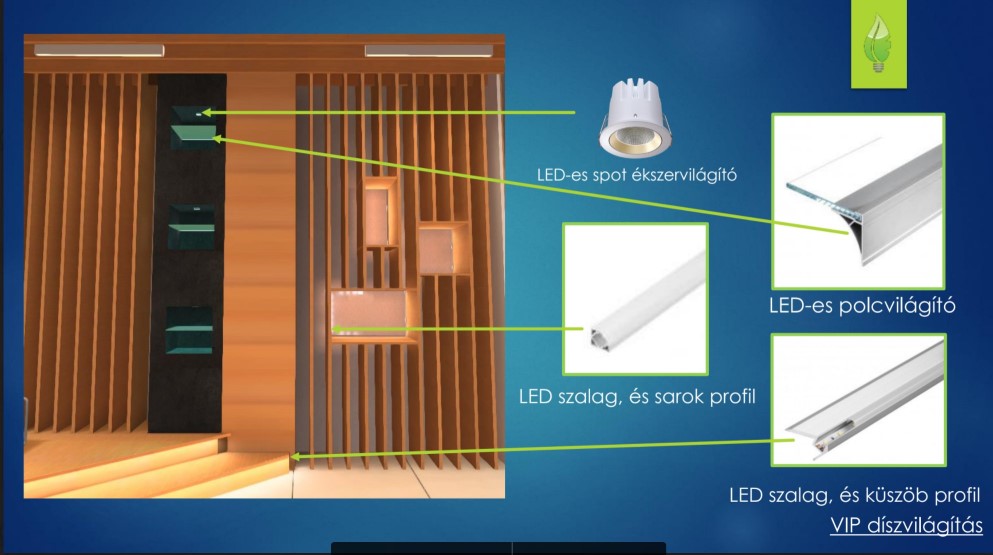
The following luminaire characteristics are worth taking into account when delivering a project:
- Luminous flux of the luminaire (lumen)
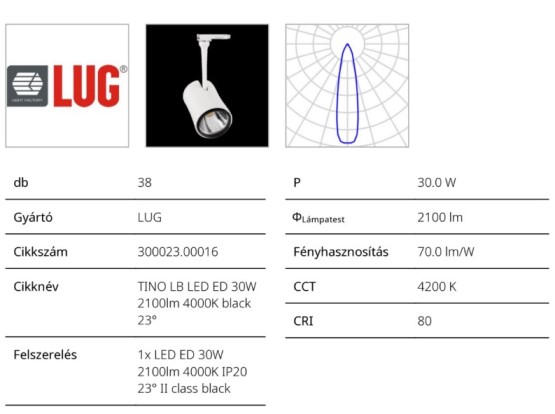
- Power (watt)
- Luminous efficacy (lumen/watt)
- Light distribution
- Service life (operating hours)
- Physical size
- Glare rating (UGR)
- Colour rendering index (CRI)
- Method of lighting control (switch, dimmer, 1-10 V, DALI or KNX control)
- Compatibility with an existing installation
- Resistance to environmental factors (IP and IK ratings)
Client expectations, which also strongly influence the choice of luminaire:
- Appearance and colour of the luminaire
- Physical size
- Ease of maintenance
- Reliability
- Long service life
- Potential payback of the luminaire (particularly with LED fittings)
- Value for money
4. Lighting design — preparing the lighting plan
Lighting calculation methods fall into two main categories:
Manual calculation methods
- The lumen (efficiency) method
- The point-by-point method
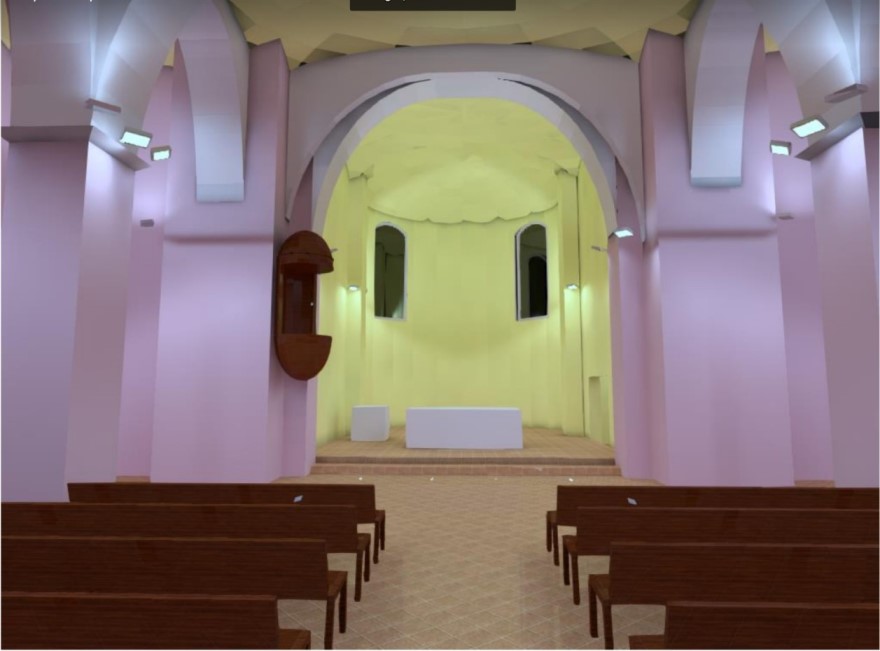
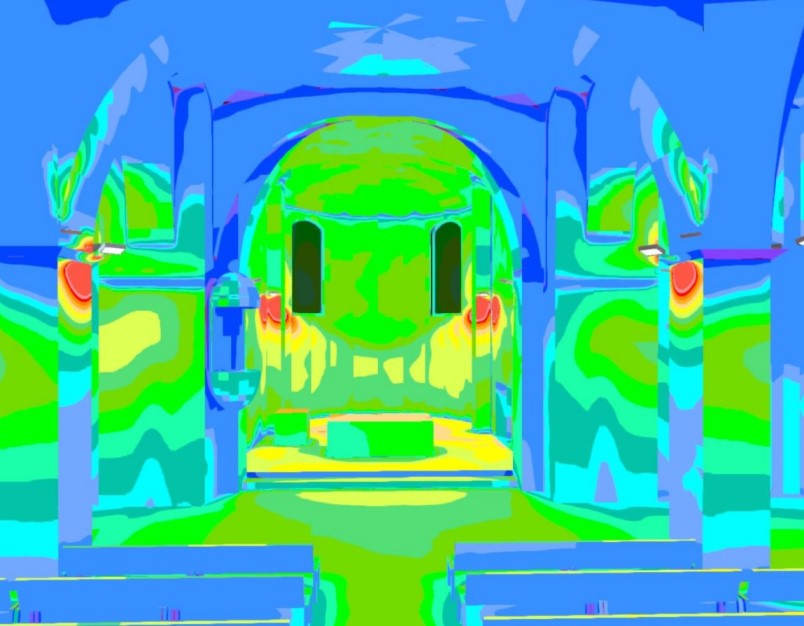
3D CAD (computer-aided design) modelling
We will look at lighting calculation methods and 3D modelling in detail in our next article.
5. Choosing the method of lighting control
The energy-saving performance of any lighting installation is influenced just as much by the control method as by the light sources and luminaires installed. Choosing the right control method carefully is therefore not a consideration to be neglected during the design.
The list below shows the successive levels of control — and with them of savings:
1. Wiring the entire lighting installation to a single switch is plainly ineffective and uneconomical compared with a lighting system divided into several sections.
2. By fitting two-way switches at the doors, well-chosen switching circuits allow the luminaires to be controlled so that on leaving one space and entering another we need neither break our stride nor stumble about in the dark.
3. Using motion and occupancy sensors in the design can increase the savings further. It is worth noting that these devices are best used in spaces we enter rarely or simply pass through quickly — typically the very spaces where the light most often gets left on.
4. Before buying motion sensors we should make sure they include a light sensor, so that with proper calibration they will not switch the lighting on unnecessarily in daylight. It never hurts, either, to wire these devices in parallel with a switch, so that we can also control the luminaires manually when we want to. A dimmer not only saves energy but is also the control method that gives the greatest freedom in setting individual lighting preferences. Before investing in such a device, always check that the chosen light source and dimmer are compatible with each other. The better-known manufacturers provide a recommendation with their retrofit LED light sources — a compatibility table showing which dimmers can operate how many light sources and over what control range.
5. The design may also call for lighting control implemented with 0-10 V/1-10 V or DALI. DALI remains unambiguously the communication protocol of industrial lighting; it is indispensable for building complex, energy-efficient systems and is very easily added to higher-level building automation systems such as KNX. The 0-10 V control method (formerly 1-10 V) was initially used to operate industrial luminaires, particularly fluorescent fittings with electronic ballasts. With the spread of LED technology, however, this control method has now moved into our homes — first in the form of LED strips, but today most dimmable LED luminaires, not just retrofit light sources, can be operated this way. That makes them very easy to integrate into smart home automation systems running on various protocols, such as KNX for home, ZigBee or Z-Wave.
6. Selecting the luminaire
During the design, the performance of the luminaire has to be weighed just as carefully as its purchase cost. In the long run a well-designed, well-built luminaire will be cheaper than a product of dubious quality.
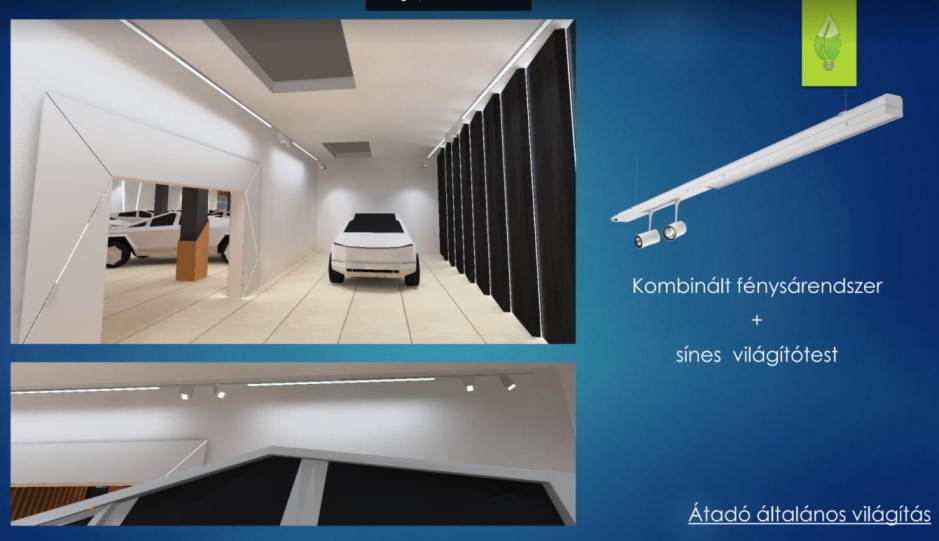
The most important characteristics of a good quality luminaire:
- Sound mechanical and electrical construction, durable build
- Well-designed light guides and an appropriate glare rating (UGR).
- In LED luminaires, adequate heat dissipation to prevent the lamp, the wiring and the ancillary equipment from overheating.
- High luminous efficacy (lumen/watt), coupled with a suitable light distribution pattern.
- Simple to install, easy to clean and maintain.
+1 Verifying the installation after completion and preparing a report (light measurement)
Where possible, it is worth returning to the site a few months after completion for a follow-up inspection. What we learn there also helps us do better, more conscientious work on the lighting projects that follow.
#lightingtechnology #lightingmodernisation #lightingdesign #lightingplan #lightingcalculation #LED #3Dlightingdesign
If lighting design has caught your interest, or if you have any questions, do get in touch — we can help you from design through to installation.